


Diastasis Recti Treatment For Women In Milwaukee
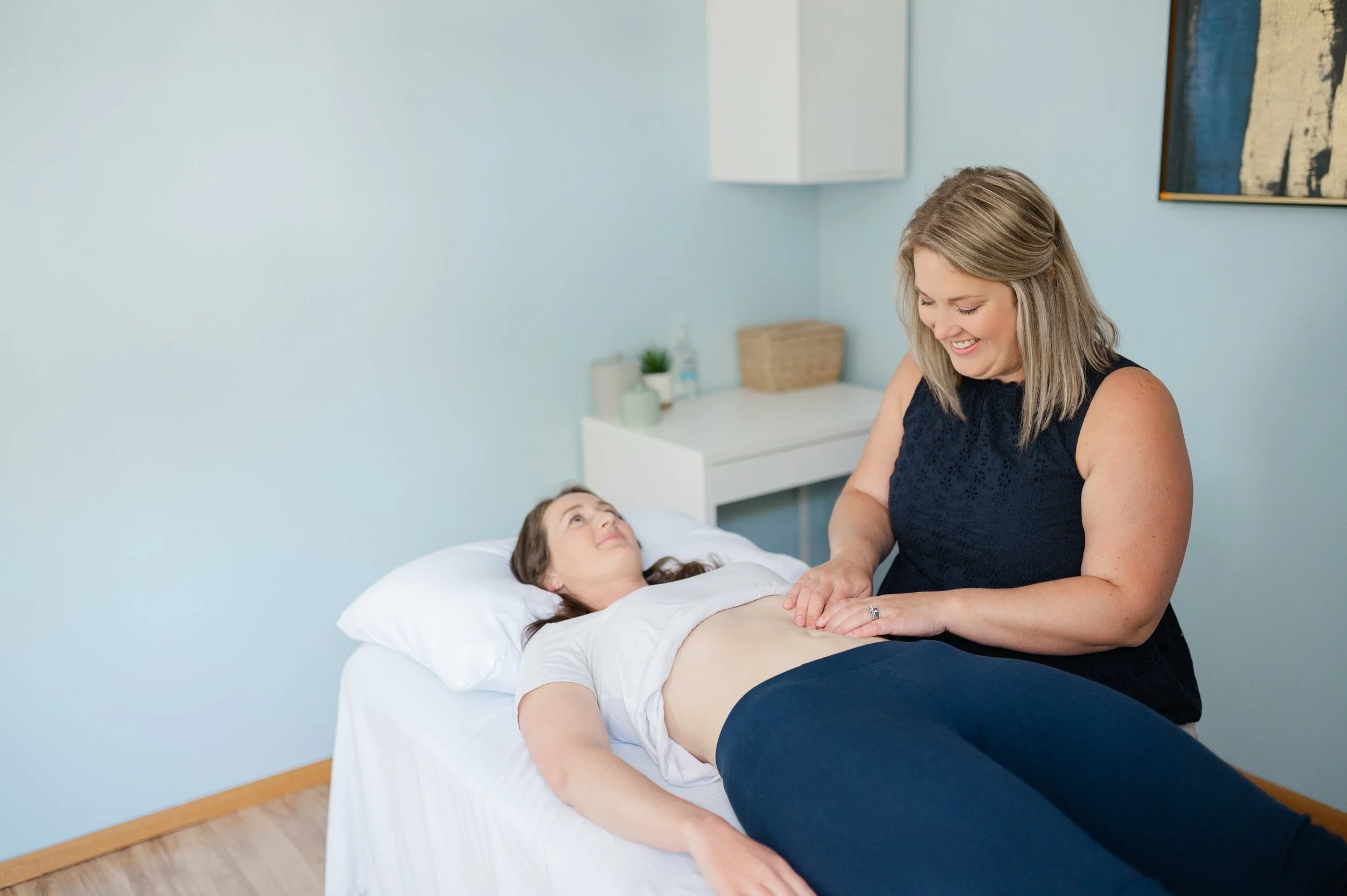
If your core still feels weak, disconnected, or not responding after pregnancy, we help you address what’s really driving your diastasis recti so you can rebuild strength, stop feeling bloated and return to exercise with confidence.
Does This Sound Like You?
Why This Happens
Diastasis recti, or a separation of the abdominal muscles, happens when the muscles on the front of your abdomen are put under more tension than the connective tissue between them can handle.
Over time, this can lead to stretching and thinning of that tissue, creating a separation or “gap” along the midline and core weakness.
Common Causes of Diastasis Recti:
Pregnancy is one of the most common times diastasis recti develops, but it’s not just caused by the stretch itself. In order to improve your diastasis recti, you much be able to:
manage pressure through your core
coordinate your muscles effectively
Other Contributing Factors:
Diastasis recti recovery is also influenced by how well your body can heal and adapt. Other contributing factors are:
Sleep and recovery
Nutrition and tissue health
Nervous system regulation and stress
This is why it diastasis recti often doesn’t fully resolve with exercise alone, even when you’re doing all the right things.
Our approach to diastasis recti treatment in Milwaukee and long-term core recovery for women looks at the full picture so we can identify what’s actually driving your symptoms and help you rebuild strength, restore core function, and support long-term healing.
Why Our Approach Is Different
Most women are dealing with multiple symptoms at once and trying to find the root cause. But the body doesn’t work in isolated parts so rarely is there one root cause. Instead, the body functions as connected systems, where everything influences everything else.
That’s why treating symptoms separately or seeing different providers for each issue, often leads to confusion, overlap, and incomplete results, leaving you to try to piece everything together on your own.
It ends up taking more time, energy, and mental bandwidth to figure out what’s actually going to work.
To create real, lasting change, you have to understand how everything is connected and address the biggest drivers first.
That’s exactly what we do with our approach.
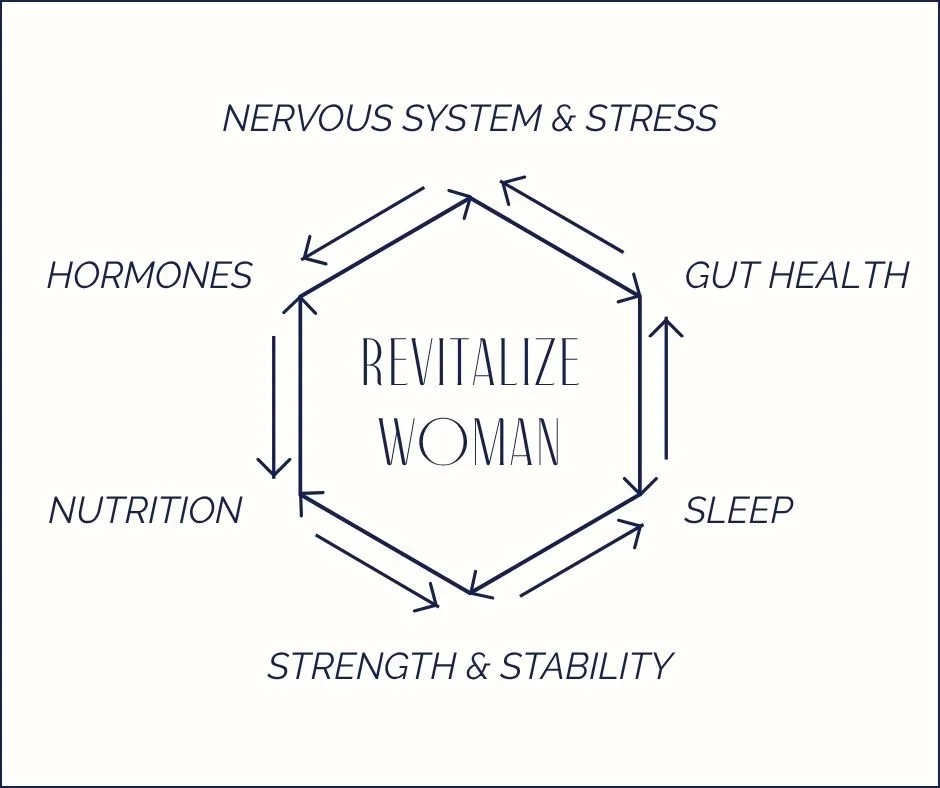
Find out which systems are impacting you by taking this quick, 2-minute women’s health assessment HERE.
Stop Guessing And Hoping It Just Gets Better
We’ll help you understand what’s actually causing your symptoms and give you a clear plan to move forward.
Real Results From Other Women
“Each time I seek Revitalize for therapy it's a positive experience! I've been able to visit after both of my baby's births and the therapy has been not only helpful but a game changer for my healing and "return to normal." 100% recommend pelvic floor PT for any and all of my mom friends and Revitalize is the place to get it!”
-Allison K.
Choose Your Next Steps
-

Learn more about diastasis recti and signs that you may have one.
-

Identify the top systems impacting your body and where to focus first with our quick, 2-minute assessment
-

Stop the guesswork and get clear answers with a personalized plan by starting with an evaluation.
Frequently Asked Questions About Diastasis Recti Treatment
-
Diastasis recti is a separation of the abdominal muscles along the midline of the core. It’s commonly seen during and after pregnancy, but it can also develop from ongoing pressure and strain on the abdominal wall during other phases of your life.
-
Diastasis recti is caused by repeated pressure on the abdominal wall that the connective tissue can’t fully support. This can be influenced by pregnancy, core weakness, poor pressure management, tissue restrictions, and how well your body heals afterward.
-
In some cases, mild separation can improve on its own in the first 2 months of postpartum. However, many women continue to experience core weakness, back pain, pressure, or a lingering “gap” because the underlying factors aren’t being addressed. That’s where targeted treatment can help.
-
Diastasis recti treatment focuses on more than just “closing the gap”. It includes improving core strength and coordination, addressing pressure management, and supporting the systems that influence healing so you can restore function and strength long-term.
-
Recovery timelines vary depending on the severity and underlying causes. Many women begin to feel stronger and more supported within the first few visits once the right approach is in place, with continued improvement over time.
-
Yes but the intensity, type and timing of exercise matters. Without proper core retraining, certiain exercises can increase pressure on the core and make symptoms worse. That doesn’t mean that you should not exercise or avoid specific exercises forever but having a guided approach ensures you’re strengthening your core safely and effectively.
-
No, while some women notice a visible “gap”, bulging, or bloating, diastasis recti often affects core strength, stability, and how your body handles movement and pressure. It can also contribute to other symptoms such as incontinence and back pain if left unaddressed.
-
Yes, we provide personalized, one-on-one diastasis recti treatment in Milwaukee focused on identifying the main drivers and helping you rebuild strength, restore core function, and feel confident in your body again.