

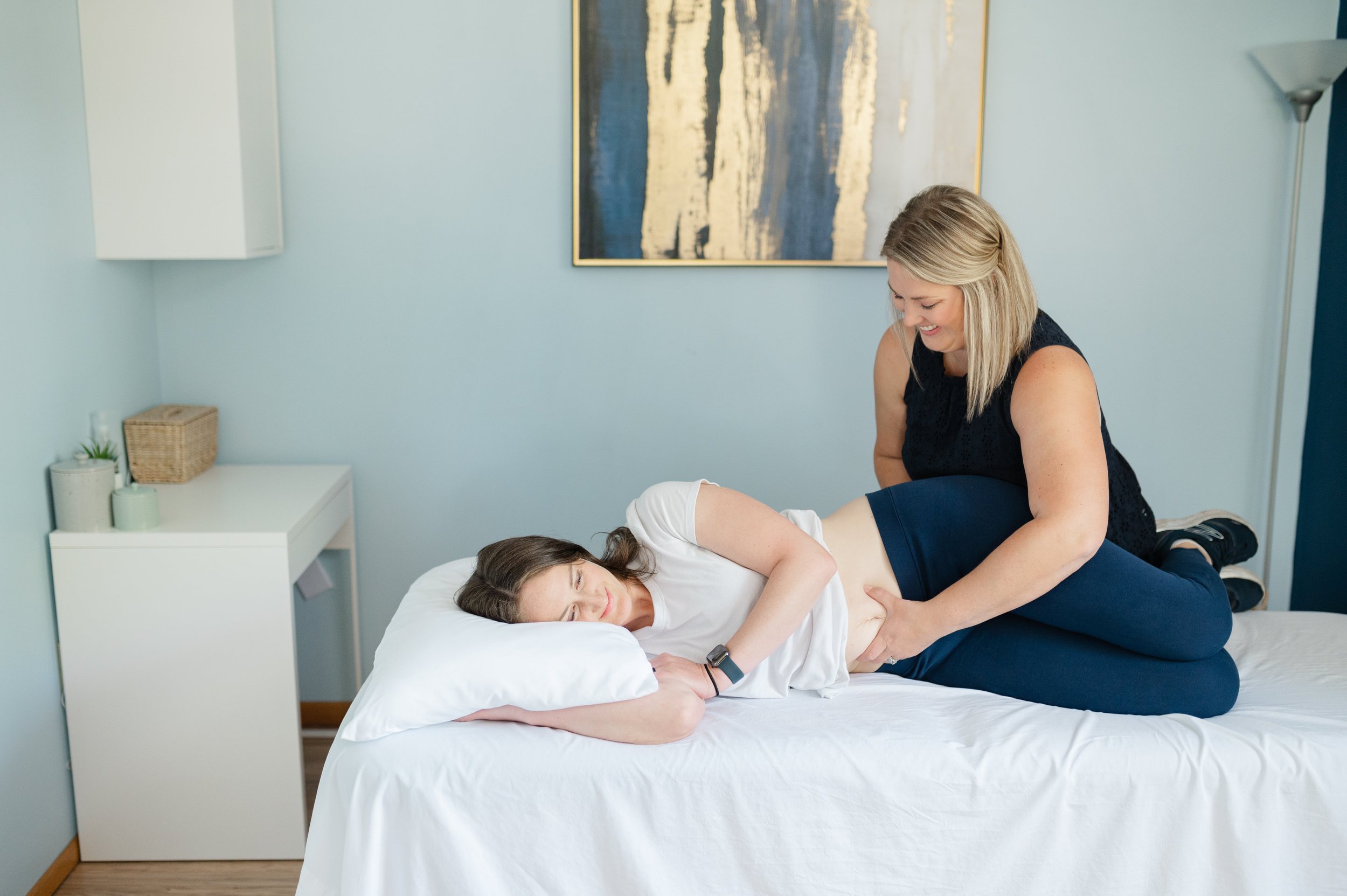
Regain Confidence With Prolapse Treatment In Milwaukee
Pelvic organ prolapse doesn’t mean your body is broken and with prolapse treatment we help women rebuild strength and support to stay active and move with confidence again.
Does This Sound Like You?



Why This Happens
Pelvic organ prolapse happens when the support system for the pelvic organs is no longer managing pressure, support, and coordination well. This can create symptoms like heaviness, pressure, bulging, discomfort, difficulty exercising, or feeling like something is “falling out.”
While pregnancy, childbirth, menopause, chronic straining, and surgery can all contribute to prolapse, it’s often more complex than just having “weak muscles.” Your pelvic floor works together with the other systems in your body to manage pressure, support, and stability. When those systems aren’t functioning well together, symptoms can develop.
Common Contributing Factors For Prolapse
Poor pressure management through the core and pelvic floor
Weakness or lack of coordination in the core, hip, and pelvic floor muscles
Overactive or tense pelvic floor muscles
Pregnancy, postpartum recovery, or menopause-related changes
Chronic constipation or straining
Difficulty tolerating heavy lifting, impact and exercise
Nervous system stress and chronic tension patterns
Reduced connective tissue support
Because all of these systems influence each other, lasting prolapse treatment often requires more than just avoiding activity or doing Kegels alone.
Our whole-body approach to prolapse treatment in the Milwaukee area looks at the full picture to help you regain confidence, restore activity and move without constantly worrying about symptoms.
Why Our Approach Is Different
Most women are dealing with multiple symptoms at once and trying to find the root cause. But the body doesn’t work in isolated parts so rarely is there one root cause. Instead, the body functions as connected systems, where everything influences everything else.
That’s why treating symptoms separately or seeing different providers for each issue, often leads to confusion, overlap, and incomplete results, leaving you to try to piece everything together on your own.
It ends up taking more time, energy, and mental bandwidth to figure out what’s actually going to work.
To create real, lasting change, you have to understand how everything is connected and address the biggest drivers first.
That’s exactly what we do with our approach.
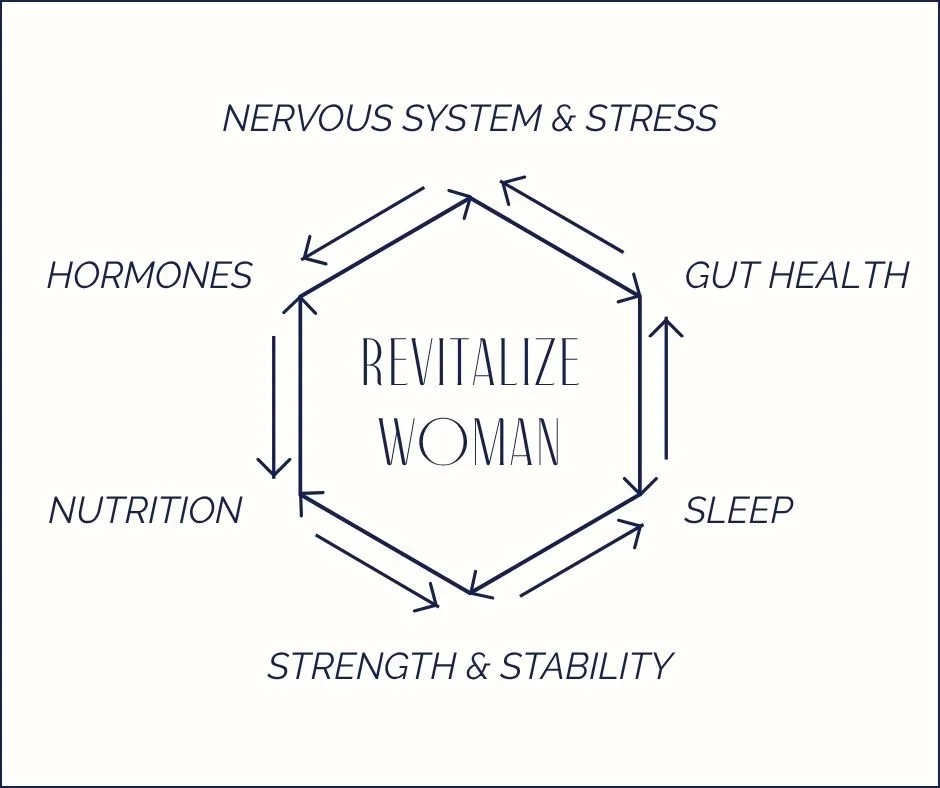
Find out which systems are impacting you by taking this quick, 2-minute women’s health assessment HERE.
Stop Guessing And Hoping This Just Gets Better
We’ll help you understand what’s actually causing your symptoms and give you a clear plan to move forward.
Real Results From Other Women
“I love working with [Revitalize]. They have helped me reverse my pelvic floor issues in just a couple months when I didn’t think it was possible at all. Highly recommend this team. Also the sauna is heavenly.”
-Luciana F.
Choose Your Next Steps
-

Improve your knowledge about that pelvic pressure you’re feeling.
-

Identify the top systems impacting your body and where to focus first with our quick, 2-minute assessment
-

Stop the guesswork and get clear answers with a personalized plan by starting with an evaluation.
Frequently Asked Questions About Prolapse Treatment
-
No, while surgery may be appropriate in some cases, many women are able to significantly improve prolapse symptoms with conservative treatment. Pelvic floor physical therapy, pressure management, strengthening, nervous system regulation, gut health, nutrition, and improving overall support and coordination can often help reduce symptoms and improve daily function.
-
Yes, pelvic floor physical therapy can help improve the way your pelvic floor, core, breathing system, posture, and pressure management work together to better support the pelvic organs.
Treatment is often focused on improving strength, coordination, symptom management, and your ability to return to normal activities with more confidence.
-
Not necessarily. Many women are told to stop exercising completely or fearful of making their prolapse worse, but movement and strength are important for long-term health and support.
The key is improving how your body manages pressure and impact so you can better tolerate activity. Part of treatment is helping you gradually return to exercise safely and move confidently.
-
Prolapse symptoms can fluctuate based on factors like stress, fatigue, constipation, exercise, hormonal changes, pressure management, and overall recovery. Many women notice symptoms feel worse later in the day, during higher stress periods, or when their body is under more physical strain.
-
Yes, hormonal changes during perimenopause and menopause can affect tissue support, muscle function, recovery, and overall pelvic floor health. At the same time, changes in strength, sleep, stress, and nervous system function can also contribute to worsening symptoms over time.
-
Feelings of heaviness, pressure, bulging, or the sensation that something is “falling out” are common symptoms of prolapse. While these symptoms are common, they are not something you simply have to live with. Identifying what is contributing to the symptoms is an important first step toward improving them.
-
Yes, chronic constipation and straining can increase pressure through the pelvic floor system and contribute to prolapse symptoms over time. Bowel habits, gut health, breathing mechanics, pressure management, and nervous system tension can all influence how well the pelvic floor functions.
-
In many cases, yes. While prolapse may not completely “go away,” symptoms will improve significantly with the right approach. Improving pressure management, pelvic floor coordination, strength, gut health, and overall support systems can help many women feel stronger, more confident, and more active again without feeling their prolapse. We also recommend conservative treatment prior to any surgery in order to have the best surgical outcomes.