5 Signs Your Hormones May Be Affecting More Than Your Period
When you think about hormones, you probably think about your period.
Maybe you notice changes in your cycle, heavier bleeding, cramps, or symptoms around your period and assume that’s where the conversation ends.
But your hormones influence far more than your menstrual cycle.
They can affect your energy, sleep, mood, digestion, metabolism, muscles, and even your pelvic health.
And when your body is struggling to maintain balance, the signs don't always look like a “hormone problem.”
Here are five signs your hormones may be affecting more than your period.
1. You're exhausted, even when you're sleeping
Do you wake up feeling like you could use another eight hours?
Hormonal changes can influence your sleep quality, stress response, and energy levels. And when you're constantly stressed, your body may have a harder time shifting into the restorative state it needs for quality sleep.
If you're relying on caffeine to get through the day but still feel completely drained, it may be worth looking beyond sleep alone.
2. Your mood feels all over the place
Irritability. Anxiety. Feeling unusually emotional. A shorter fuse than usual.
These changes can sometimes be brushed off as stress or simply having too much on your plate.
And while life absolutely affects how we feel, hormones and the nervous system are closely connected. Changes in hormones can influence neurotransmitters and the way your body responds to stress.
If you feel like you're not quite yourself lately, your hormones may be part of the bigger picture.
3. You're struggling with stubborn weight changes
You're eating well. You're exercising. You're doing all the things you're “supposed” to do and yet your body isn't responding the way you expect.
Hormones play a role in metabolism, appetite, blood sugar regulation, and how your body stores and uses energy.
That doesn't mean hormones are the explanation for every change in weight. But if you're experiencing unexplained changes along with other symptoms like fatigue, poor sleep, or mood changes, it's worth looking at the bigger picture rather than simply eating less and exercising more.
4. Your digestion has changed
Bloating, constipation, diarrhea, changes in bowel habits, or feeling uncomfortable after meals can be frustrating enough on their own.
But your gut and hormones are more connected than you might realize.
Hormonal fluctuations can influence digestion and gut motility, while your gut also plays an important role in how your body processes and eliminates hormones.
Your digestive symptoms may not be completely separate from what's happening hormonally.
5. Your pelvic floor symptoms are changing
This is one many women don't expect.
Your pelvic floor doesn't exist in isolation.
Hormonal changes can affect tissues throughout the pelvis and can influence things like vaginal dryness, discomfort with intimacy, urinary symptoms, and changes in pelvic floor function.
This is especially important during times of hormonal transition, including postpartum and perimenopause.
If you're experiencing new pelvic floor symptoms, it doesn't necessarily mean your pelvic floor simply needs to be “stronger.”
Your hormones, nervous system, musculoskeletal system, and pelvic floor may all be part of the conversation.
Your symptoms aren't always separate problems
One of the biggest mistakes we can make with women's health is treating every symptom as an isolated issue.
You're tired, so you focus on sleep.
You're bloated, so you change your diet.
You're gaining weight, so you exercise more.
Your pelvic floor is bothering you, so you do more Kegels.
But what if these symptoms are connected?
Your body is a system. Hormones are one piece of that system—and they interact with your nervous system, gut health, sleep, nutrition, musculoskeletal system, and more.
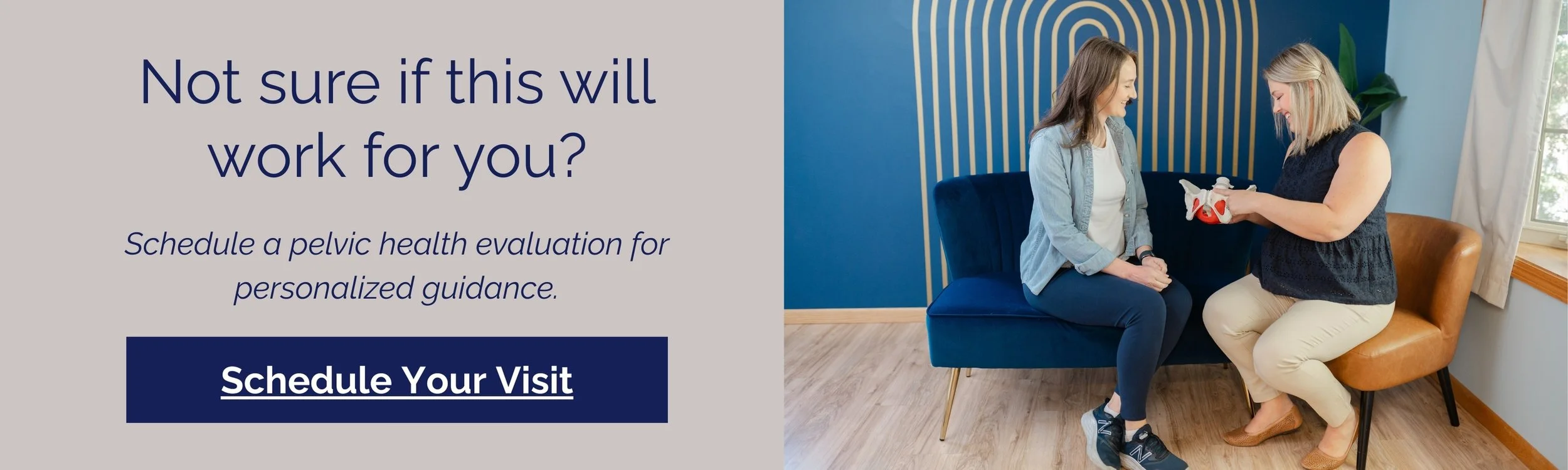
That's why at Revitalize Physical Therapy, we take a whole-person approach to women's health.
Instead of simply asking, “What symptom are you experiencing?”, we want to understand why your body may be experiencing it in the first place.
Feeling like your body hasn't felt like you lately?
You don't have to simply accept fatigue, mood changes, stubborn weight changes, digestive issues, or pelvic symptoms as something you have to live with.
There may be more to the story.
Ready to take a deeper look at your health?
Book your evaluation today!
Frequently Asked Questions
-
Yes. Hormonal fluctuations can affect the tissues of the pelvis and may contribute to symptoms like vaginal dryness, discomfort with intimacy, urinary changes, and changes in pelvic floor function.
-
Symptoms like fatigue, mood changes, sleep issues, weight changes, digestive problems, or pelvic symptoms can have many possible causes. Looking at your symptoms as a whole—and when they occur in relation to your menstrual cycle—can help identify patterns worth exploring with a healthcare provider.
-
Physical therapy doesn't directly “balance” your hormones, but it can address some of the physical symptoms and systems affected by hormonal changes. At Revitalize, we take a whole-body approach and consider factors like your nervous system, sleep, musculoskeletal health, pelvic floor, and overall wellness.