

Your hormones affect far more than your period. Discover 5 signs hormonal changes may be affecting your energy, mood, weight, digestion, sleep, and pelvic health.
The viral trend claiming “trauma is stored in your hips” has sparked conversations about the mind-body connection. But what does science and pelvic floor therapy actually say? Learn why your body responds to stress, emotions, and experiences — and why healing requires more than simply stretching.

Think Kegels are the answer to every pelvic floor problem? Think again. While Kegels can help some women, they're not a one-size-fits-all solution—and in some cases, they can actually make symptoms worse. Learn why understanding the root cause of your symptoms is the key to lasting relief.

For years, women have been told that symptoms like leaking, fatigue, painful periods, brain fog, and changes after pregnancy are just “part of being a woman.” But common doesn’t mean normal. Learn why your body’s symptoms are signals—not something you simply have to live with.

Getting cleared for exercise at your six-week postpartum appointment doesn't necessarily mean your body is ready to run. Running places significant demands on your pelvic floor, core, muscles, joints, and recovery systems—many of which are still healing long after those first six weeks. In this article, we explain why clearance isn't the same as readiness and how a whole-person approach can help you return to running safely, confidently, and without setbacks.
You’re showing up to your workouts, lifting weights, and putting in the effort—but you still feel tired, sore, injured, or stuck. The truth is that strength training is only one piece of the puzzle. Learn how factors like core and pelvic floor coordination, hormones, recovery, nutrition, nervous system health, and movement patterns can impact your results and what you can do to finally start making progress.
If you've ever been told your symptoms are "just stress," you already know how frustrating and dismissive that can feel. But here's the truth: stress is never just anything. When it becomes chronic, stress creates real, measurable changes in the female body — from hormonal imbalances and pelvic floor dysfunction to digestive issues and persistent fatigue. And yet, these symptoms are often missed, minimized, or treated one by one without anyone connecting the dots.
In this post, we're breaking down exactly what happens inside your body under long-term stress, why so many women go unheard, and what a whole-person approach to healing actually looks like.
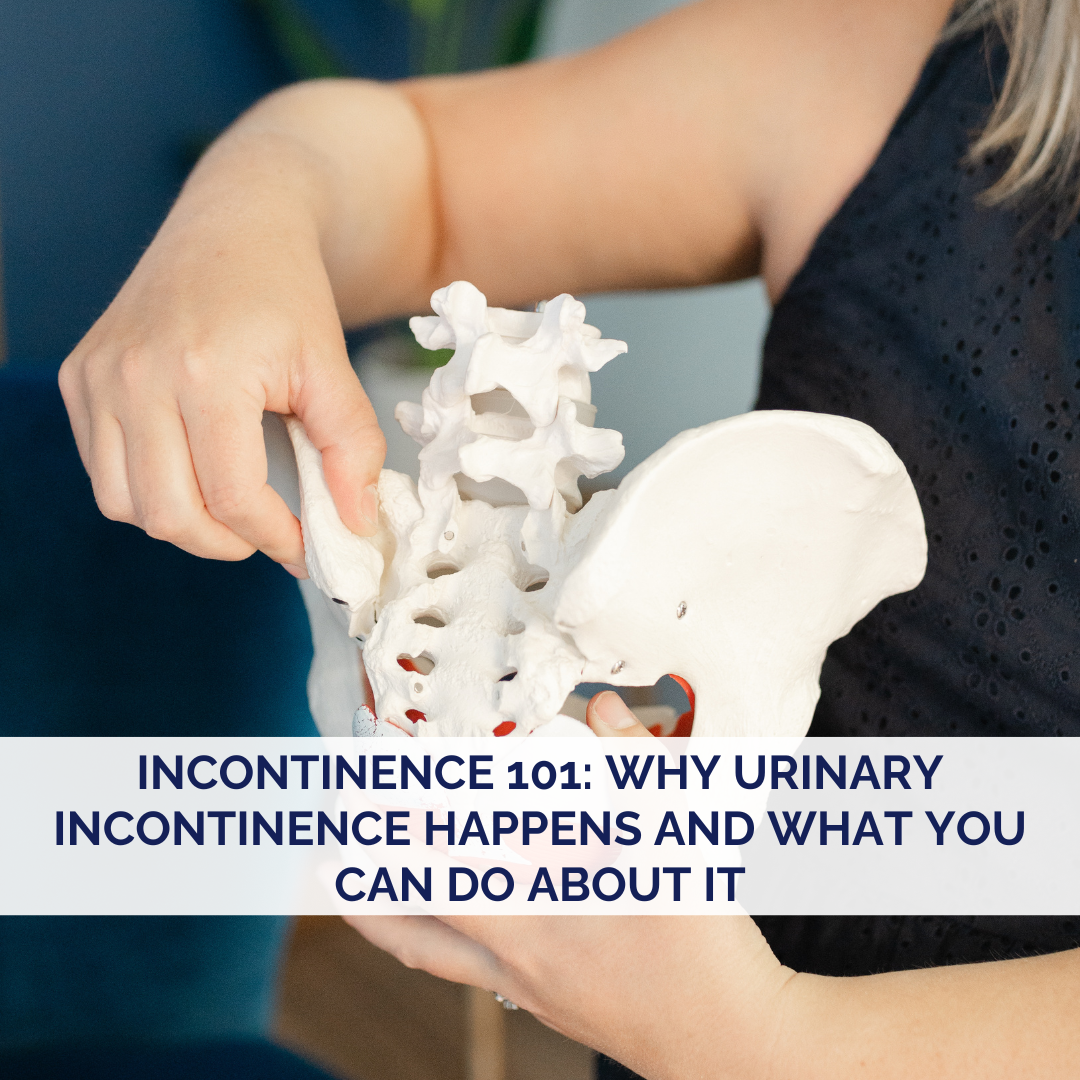
Urinary incontinence is common, but it is not something you have to accept as normal. Learn the most common causes of bladder leakage, including pelvic floor dysfunction, pregnancy, menopause, and bladder habits, along with treatment options that can help improve symptoms and restore confidence.
If you’ve been feeling off but can’t figure out why, you’re not alone. Many women in Hales Corners and the Milwaukee area experience symptoms like fatigue, brain fog, hormone changes, gut issues, or pain without clear answers. Our Women’s Health Systems Quiz is designed to help you stop guessing and identify which body systems may be contributing most to your symptoms—so you can finally know where to start.

If you’ve ever been told your labs are “normal” but you still don’t feel like yourself, you’re not alone—and you’re not imagining it. Many women experience ongoing symptoms like fatigue, pelvic pain, bloating, or hormonal shifts despite standard bloodwork coming back within range. The reality is that lab values are just one piece of a much larger puzzle. They don’t reflect how well your body systems are communicating, how your nervous system is regulating stress, or how your muscles, posture, and pelvic floor are functioning together.
In this blog, we’ll explore why “normal” labs don’t always mean optimal health—and how a whole-body approach can help uncover what might actually be driving your symptoms.

Bloating is one of the most common digestive concerns women experience, yet it’s often simplified to something you “ate” or something you need to cut out. In reality, occasional or chronic bloating can be influenced by many factors—including digestion, hormones, stress, and nervous system function. In this blog, we explore why bloating happens and how a whole-person approach can help uncover and address the root causes.

Low libido in women is common, but it is rarely as simple as “just hormones” or “just stress.” Desire is influenced by the entire body—hormonal balance, nervous system regulation, energy levels, emotional wellbeing, and more. In this article, we explore the root causes of low libido and how a whole-person approach can help restore connection, vitality, and desire.

Leaking urine when you cough, laugh, or exercise is often a sign of stress urinary incontinence, a common pelvic floor dysfunction. Learn why it happens, what causes it, and how pelvic floor therapy can help you regain confidence and control.

Struggling with fatigue, mood swings, or poor sleep? These may be signs of hormonal imbalance. In this guide to hormone balance for women, we break down what hormone health really means and how to balance hormones naturally using simple, effective lifestyle strategies.

Looking for a women’s health clinic in the Greater Milwaukee Area that goes beyond symptom management? Discover how a root-cause, holistic approach to women’s health can help you address pelvic pain, fatigue, and core dysfunction by treating the body as an interconnected system — not isolated parts.

Constant fatigue isn’t just part of being a busy woman, it’s often your body asking for help. If you’re tired of feeling dismissed and told everything is “normal,” this post will help you understand the real root causes of fatigue in women and what you can start doing to feel like yourself again.
Experiencing mood swings, fatigue, or irregular periods? Discover the most common perimenopause symptoms, early signs, and lifestyle changes that help.

If you’ve ever experienced fatigue, hormonal irregularity, bladder issues, digestive problems, sleep problems, pelvic pain, and many other “lady issues”, you’ve probably been told these symptoms are “just stress.” While that can feel dismissive, there is an important physiological truth underneath it that we must understand in order to address the symptoms:
Chronic stress doesn’t stay in your head, it changes how your body functions.